Stock per department
What each ward and theatre holds, against the level it should hold, and what is in the laundry right now.

LinenKeep follows each item along the route it already takes: from the ward, through the doors, into the laundry and back again. Nobody stops to count, and nothing changes in the way trolleys move.
Each step below is a point where the system writes something down, without anyone holding a pen or a scanner.
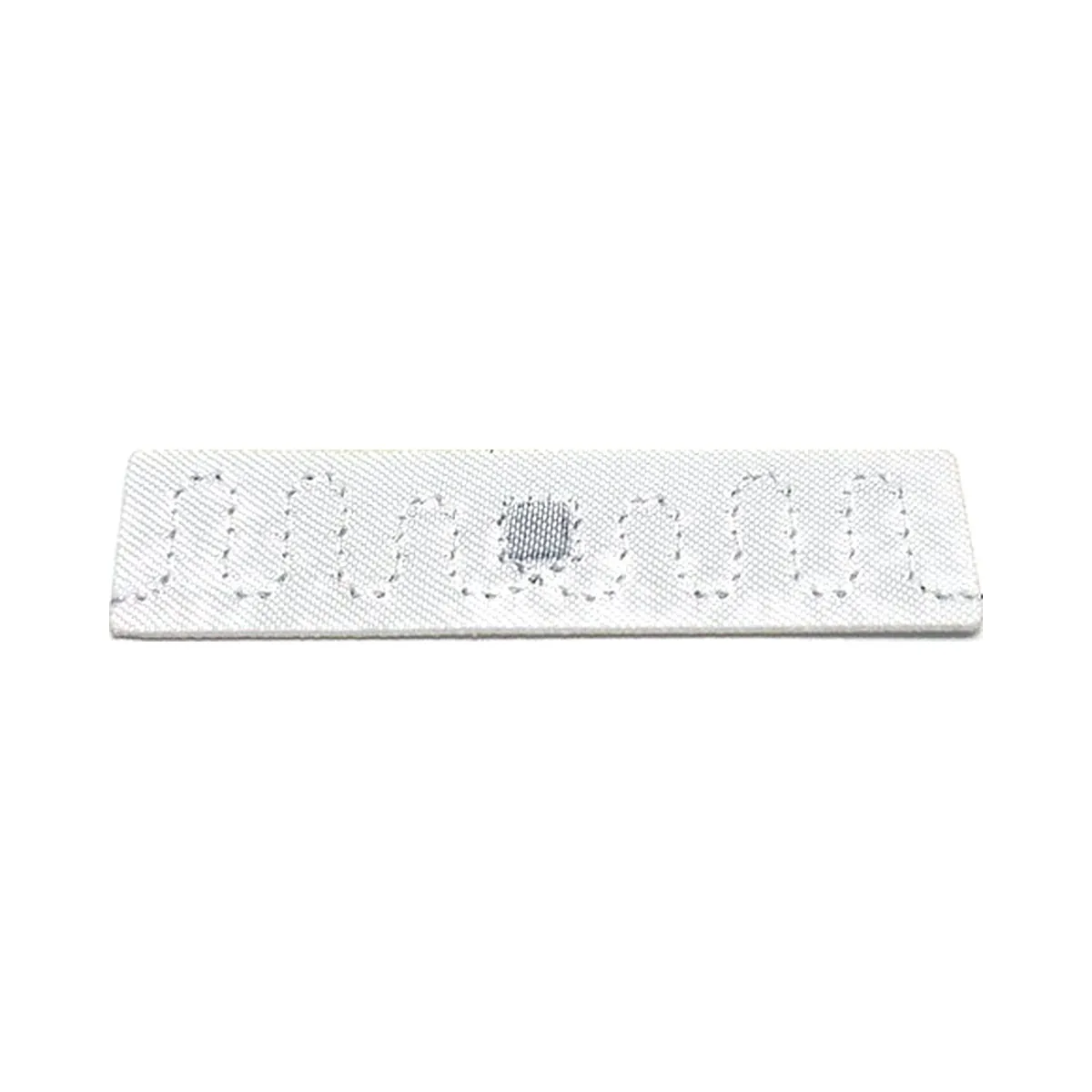
A small, soft, washable tag is sewn into each sheet, gown, towel and theatre drape when it enters service. It gives the item a unique identity that goes through industrial washing, drying and ironing with it.
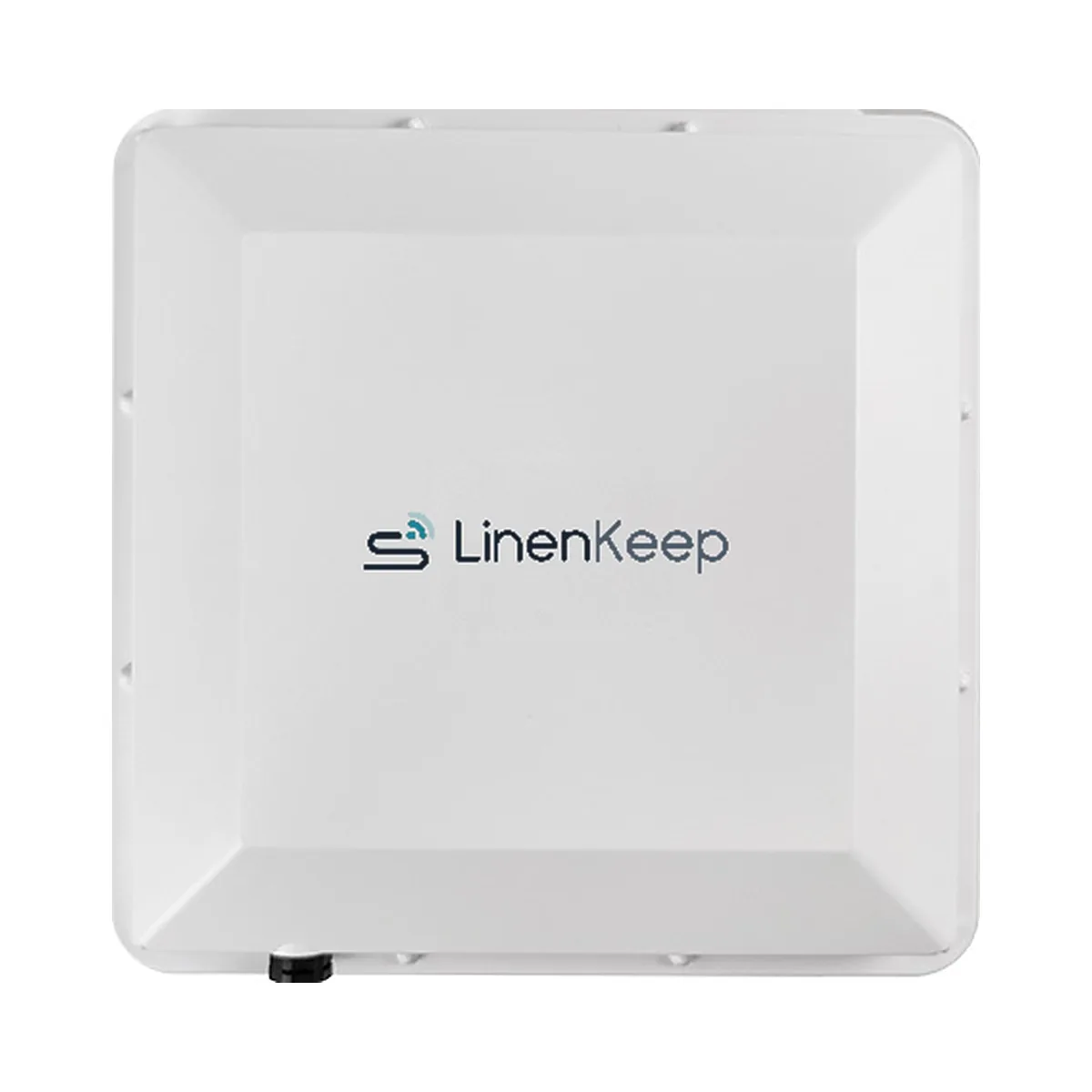
Readers and flat antennas sit on the frames of selected doors: where wards meet the main corridor, and at the laundry. When a trolley passes, every tagged item on it is read at once. Nobody stops, nobody unloads.
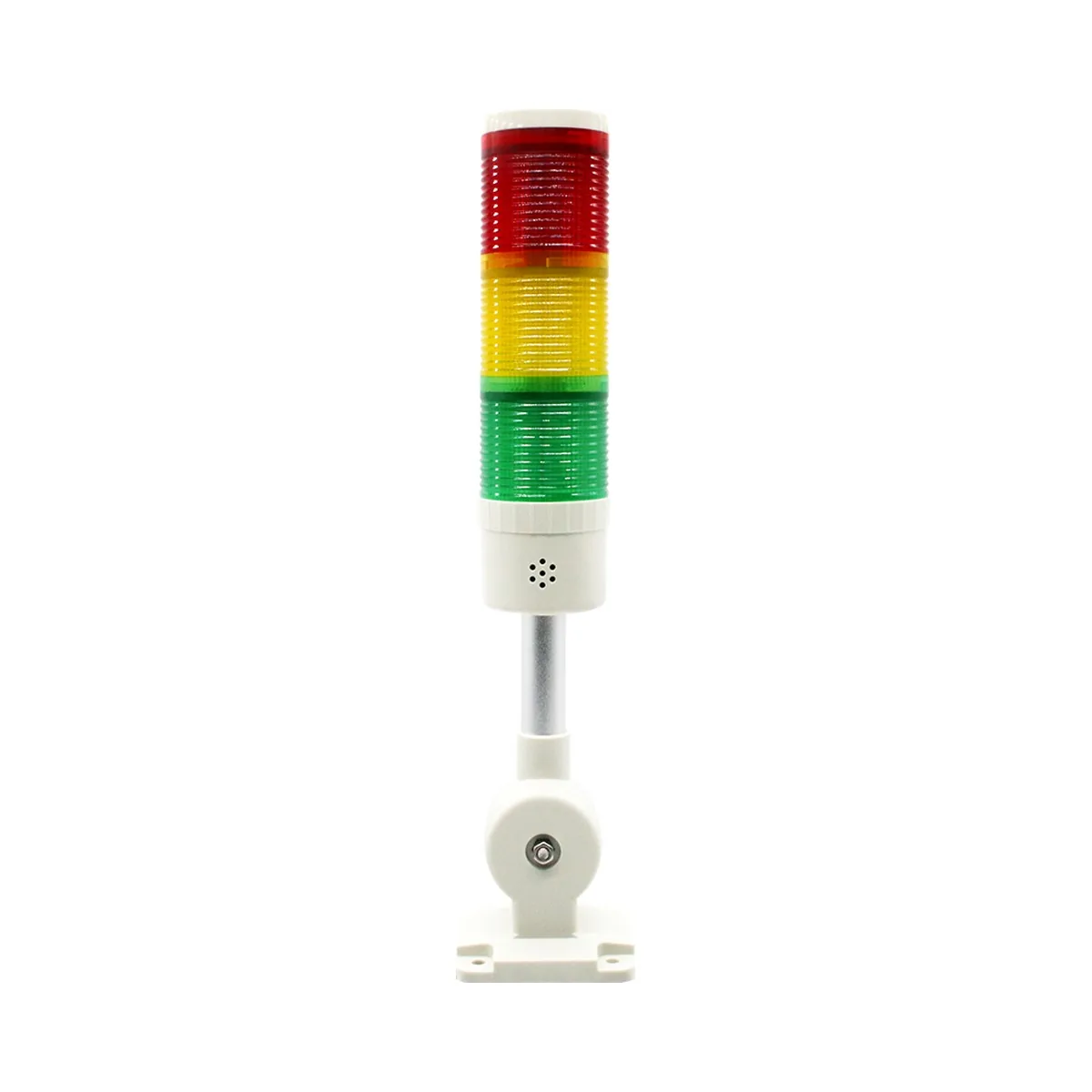
On doors where linen should never leave the building, a light and a buzzer go off when tagged items cross. The alert also appears in the software, with the door, the time and the items.
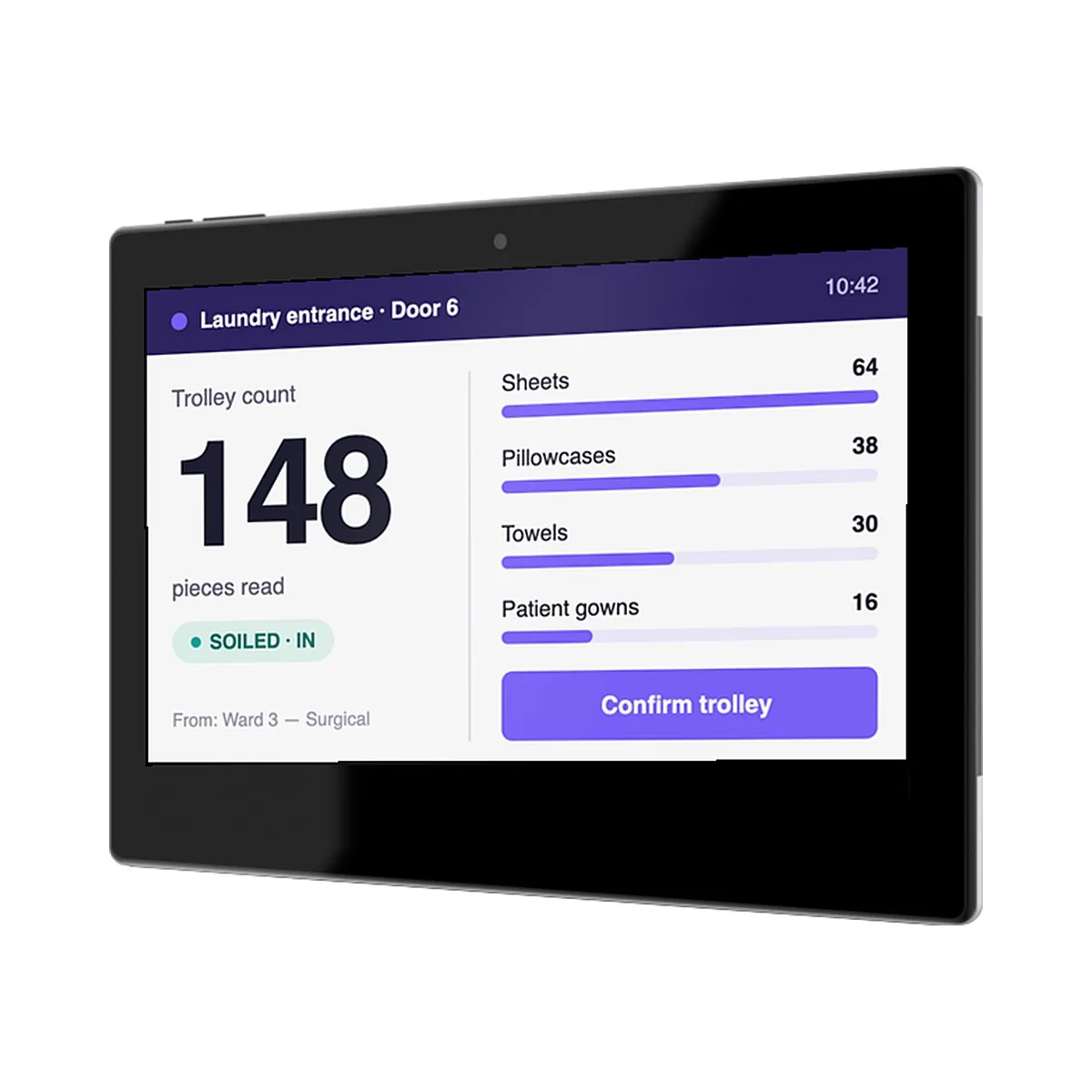
Bags and trolleys are counted as they arrive dirty and as they leave clean, per linen type and per department. The display shows the count; the operator confirms it. The hand tally disappears.
Every read becomes a movement in the software. Managers see what each department holds, what is in the laundry, what left through an exit, and which items are reaching the end of their life.
The software runs in the browser, on the hospital's computers. Each department, linen type and door is set up for your building.
What each ward and theatre holds, against the level it should hold, and what is in the laundry right now.
Each item's washes are counted. Set a wash limit per linen type, and LinenKeep flags the items that reach it, so replacement is planned on evidence.
Every exit event, with door, time and items, so a missing trolley can be followed up the same day.
Weekly and monthly movements, losses and replacements, ready for the management meeting.
Very little in the daily routine. That is the point.
Thirty minutes, by video. Tell us how linen moves today, and we'll show you what a LinenKeep design for your building could look like.